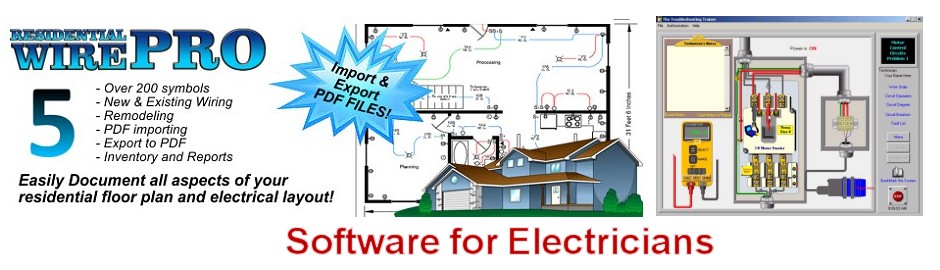
This is interesting.... Mentions of flow-charts or maps.... Exactly how I was taught, but with schematics. I had to either "memorize, or be able to verbalize" from start to load contact, the entire electro-mechanical, and solid-state AC and DC operation on a schematic of a 60kw genorator to pass my class in the military. It was impossible to memorize, and was easier to just know the symbols and what they did. They would also have the class pass a prac-ap by "bugging" a generator. After that, you got handed a random piece of equipment, and you could do the same thing. Even if handed just a piece of equipment, you would just make a schematic of it, if you didn't have one. Personaly, I think being able to visualze the circuit, and the problem is key. And being able to visualize an unknown circuit can be easily done, and easily taught. If the person has at least basic therory, and schematic reading skills, the concept of troubleshooting is not far off for them.
The way I see it, if someone is capable of building a circuit of (X) complexity. They should be able to troubleshoot at (X) complexity. Unless dealing with a whole building system of controls, most power, and lighting circuits are not that complex.
I should now admit I have not taught anyone the skill. Maybe time I should....