IF I knew nothing about business AND I had $20,000 of expendable cash, then I might could see how joining one of these organizations could help. But having been in sales jobs for quite a few years in the past, as well as doing a fair amount of research on the internet, I think that I have gained enough information to do flat-rate work and develop my own flat-rate pricing system. It's not exactly rocket science, after all.
From a practical standpoint, I have dealt with the public long enough to know that anytime you can legally and morally not disclose information about your pricing - the better off you are. As a property manager and homeowner myself, I want to know up front how much the work is going to cost so that I don't get a huge bill that I wasn't expecting and end up in a major dispute with someone. In fact, I have even paid a little more to get a job done at flat-rate than it probably would have cost me to have it done on T&M just for the simple fact that I was guaranteed a specific price that I could bank on. So, there is no doubt in my mind that flat-rate is the way to go for service work.
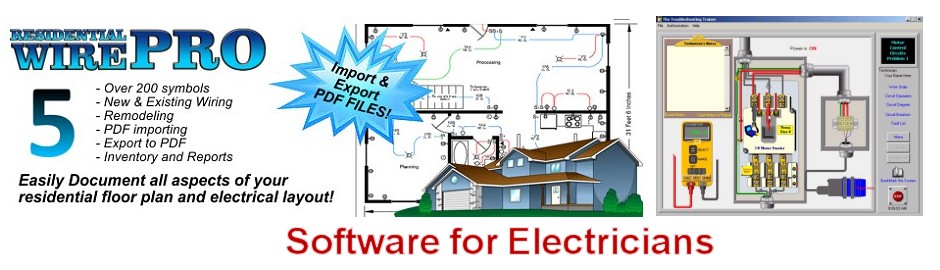
Insofar as the "system" is concerned, I think that there is enough information available on this forum to set up a pricing system without spending $2500 on special software. If you're good in Excel, you can easily set one up yourself that does all of the math for you. I track my time on each job, then compare it to the times listed in the National Electrical Estimator to see if I am slower or faster than the national average. I have found the NEE to be pretty accurate - if not a little generous.
As far as scheduling and the actual service is concerned, just use a little common sense as to how you would like to be treated when someone comes to your home. Call Sears and have a technician come out to clean the coils on your refrigerator or something, then watch what they do and ask the guy questions. They get their money for service calls up front, over the phone. They show up on time and cover their shoes with protectors before they come in the door. They are clean-cut, wear clean uniforms, and drive clean vehicles with clear graphics. In fact, you can learn a lot just by observing other service companies and talking to their technicians - such as plumbers, HVAC, computer services companies, and the like.
A little time spent on research can easily save you $20,000.
![[Linked Image]](https://www.electrical-contractor.net/ubb/wink.gif)
After all, even companies like ESI started out with one guy doing a little research. If he can do it, I figure I can too.