ECN Electrical Forum - Discussion Forums for Electricians, Inspectors and Related Professionals

>> Home   >> Electrical-Photos   >> Classifieds   >> Subscribe to Newsletter   >> Store  
 

Featured:

 Electrical
 Clearance

 *
 Tools
 *

 Books

 *

 Test Equipment


Recent Gallery Topics:
What in Tarnation?
What in Tarnation?
by timmp, September 10
Plumber meets Electrician
by timmp, September 10
Who's Online Now
0 members (), 419 guests, and 11 robots.
Key: Admin, Global Mod, Mod
Previous Thread
Next Thread
Print Thread
Rate Thread
Page 3 of 3 1 2 3
Joined: Dec 2002
Posts: 206
G
Member
I'm sure the original reason for tinning the cores was to protect the copper from chemicals in rubber insulation. If I recall correctly early PVC insulated cable in UK was still plated, then it occured to someone that this was a needless cost, and bare copper in PVC started.

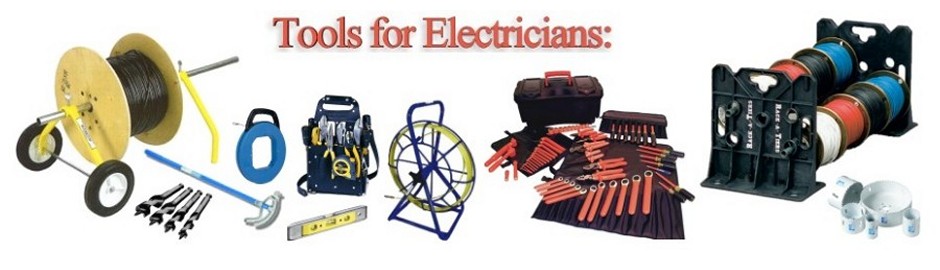
Tools for Electricians:

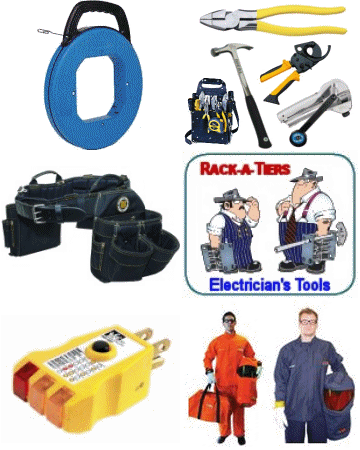
Tools for Electricians, Installers & Maintenance Technicians

Joined: Dec 2001
Posts: 2,518
Likes: 1
T
Member
Originally Posted by geoff in UK
I'm sure the original reason for tinning the cores was to protect the copper from chemicals in rubber insulation. If I recall correctly early PVC insulated cable in UK was still plated, then it occured to someone that this was a needless cost, and bare copper in PVC started.

Exactly. The manufacturing process of rubber involves vulcanisation, which is done using sulfur. The sulfur would corrode copper, therefore any rubber isolated copper wire is tinned.

Many people mistake tinned copper for aluminium.

Even today's rubber cords have tinned copper wires (H05RR-F and H07RN-F are the European designations).


Joined: Jul 2004
Posts: 10,043
Likes: 37
G
Member
I didn't think they used real rubber for anything these days.


Greg Fretwell
Joined: Dec 2001
Posts: 2,518
Likes: 1
T
Member
Originally Posted by gfretwell
I didn't think they used real rubber for anything these days.

Well, synthetic rubber is quite similar (at least the manufacturing process), but apparently even real rubber is still used (in the European wire designations R is synthetic rubber and N is real and there are both RN and RR cords, the first letter is the conductor isolation, the second the outer sheath).

Joined: Feb 2002
Posts: 2,233
H
Member
Also in the old K&T days, the EC would solder all of their splices. Then they would wrap it with rubber tape, and then friction tape over that.

Page 3 of 3 1 2 3

Link Copied to Clipboard
Powered by UBB.threads™ PHP Forum Software 7.7.5