ECN Electrical Forum - Discussion Forums for Electricians, Inspectors and Related Professionals

>> Home   >> Electrical-Photos   >> Classifieds   >> Subscribe to Newsletter   >> Store  
 

Advertisement:-Left

Custom and Personalized Fall Gifts and Decor
Halloween Gifts and Decor

Recent Gallery Topics:
What in Tarnation?
What in Tarnation?
by timmp, September 10
Plumber meets Electrician
by timmp, September 10
Who's Online Now
0 members (), 460 guests, and 24 robots.
Key: Admin, Global Mod, Mod
Previous Thread
Next Thread
Print Thread
Rate Thread
Page 3 of 3 1 2 3
Joined: Aug 2005
Posts: 265
S
Member
You guys have posted some valid arguments regarding K&T.

In my neck of the woods, when a house with K&T gets sold, the insurance companies want the new homeowner to have an EC come in and sign their life away stating that the K&T is "safe", or have it replaced.

Obviously, the insurance companies feel that there is a risk factor when knob and tube is involved. I'm sure those risk factors are based on other claims where the wiring failed, otherwise it wouldn't be an issue.


Sixer

"Will it be cheaper if I drill the holes for you?"
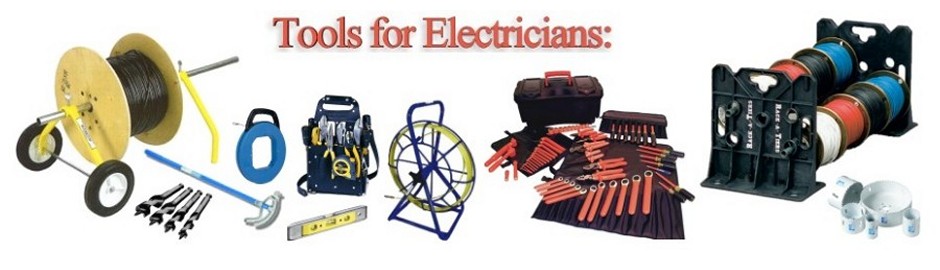
Tools for Electricians:

Tools for Electricians, Installers & Maintenance Technicians

Joined: Jan 2005
Posts: 5,485
Likes: 5
Cat Servant
Member
I remember reading an Ontario report that took an in-depth look at knob & tube wiring. The report confirmed what I had always suspected: it's not the wiring method itself that's the cause for concern.

Instead, the study found all manner of problems with circuit 'improvements' and other consequences of an overall inadequate system.

The most obvious was degraded insulation, due to either overfusing or simply putting too large a bulb in the fixtures.

Then there were the three-prong receptacles on circuits without an equipment ground.

Naturally, it was fairly common for some romex to be spliced into the system, usually to add outlets or as an easy way to bring power to a remodel. Apart from the ground wire question, there was the manner of splicing.

Covering K&T with insulatio was so common as to be the 'norm.'

The issue isn't with 'knob & tube' per se. I've seen houses with perfectly fine K&T. The problem is that our lives typically require a lot more power than they did in the 40s, and the basic electrical design of the residence is
no longer adequate.

As an example, my place in Reno was perfectly happy being served by 30 amps and two circuits - for the entire place. Were I to rebuild that same place today, code would require a 100 amp service and at least five circuits; a sparky would likely up that circuit count to a dozen.

In a like manner, the place was wired with but four duplex receptacles and two single receptacles. If built under today's rules, that same house would require at least 16 receptacles (and the sparky would likely install 21, all but one duplex.

Associated with the K&T is the issue of the service; while it's another topic, there's a much greater push to replace the fusebox with a modern breaker panel.


Joined: Apr 2005
Posts: 48
U
Member
We never had knob and tube here in the UK, but have similar issues with old properties that retain the vulcanised rubber insulated, lead sheathed cables.They were never designed with today's demand in mind and get "butchered" joints added too. Plus, you need some skill to ensure the earth (ground) continuity of the metallic sheath. Thankfully there are not too many of these installs left, but they are still there.

Page 3 of 3 1 2 3

Link Copied to Clipboard
Powered by UBB.threads™ PHP Forum Software 7.7.5