ECN Electrical Forum - Discussion Forums for Electricians, Inspectors and Related Professionals

>> Home   >> Electrical-Photos   >> Classifieds   >> Subscribe to Newsletter   >> Store  
 

Featured:

 Electrical
 Clearance

 *
 Tools
 *

 Books

 *

 Test Equipment


Recent Gallery Topics:
What in Tarnation?
What in Tarnation?
by timmp, September 10
Plumber meets Electrician
by timmp, September 10
Who's Online Now
0 members (), 603 guests, and 13 robots.
Key: Admin, Global Mod, Mod
Previous Thread
Next Thread
Print Thread
Rate Thread
Page 1 of 2 1 2
Joined: Oct 2000
Posts: 3,672
Likes: 4
Admin Offline OP
Administrator
Member
Quote
I found this in Tacoma, WA at a harbor were my Aunt and Uncle's sailing vessel is moored

The flexible conduit wasn't long enough to accommodate the lengths at the low tide levels so the conduit connections came apart

Tristan S.

[Linked Image from electrical-photos.com]

[Linked Image from electrical-photos.com]

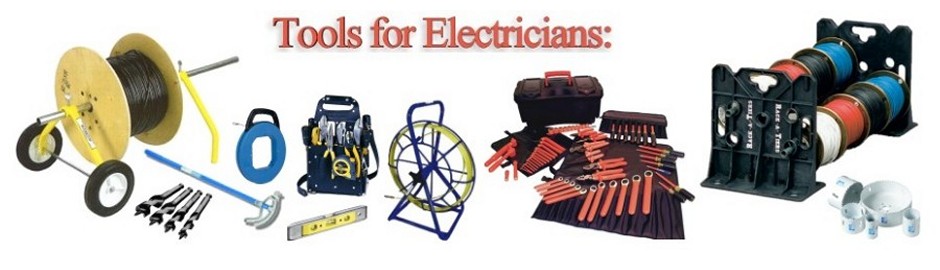
Insulated Tools for Electricians

Insulated Tools for Electricians, Installers & Maintenance Technicians

Joined: Oct 2000
Posts: 3,672
Likes: 4
Admin Offline OP
Administrator
Member
Quote
Here's another one I found at the same harbor in Tacoma, WA but on a different dock access ramp.

I don't know what kind of tubing was used to take the place of flexible conduit here but I certain it's not LFNC or any other code approved conduit.

It almost looks like a vacuum hose but I'm not sure.

Tristan S.

[Linked Image from electrical-photos.com]

Joined: Mar 2008
Posts: 76
P
Member
One thing I forgot to mention about the top two pictures is the PVC conduits seen there are supported by the dock access ramp I was on at that time.


I have a sense of adventure, I just keep it leashed with common sense.
Joined: Aug 2002
Posts: 402
J
Member
Looks like they used the wrong glue on the PVC as well. They connections should not come apart like the bottom picture. They should break.

Joined: Dec 2000
Posts: 4,294
Member
Originally Posted by jdevlin
Looks like they used the wrong glue on the PVC as well. They connections should not come apart like the bottom picture. They should break.


Not if the connections were glued wet, at high tide. smile


Joined: Sep 2001
Posts: 806
N
Member
I've seen a few joints come apart like that, including one that I put in myself (and I was using the conduit manufacturer's glue!). The problem does seem to have something to do with marine environments.

I've taken to using a clear PVC primer on the pipe and fittings before applying the cement, just like you would on plumbing work. It definitely seems to result in a stronger joint...


Joined: Sep 2002
Posts: 947
Likes: 4
N
Member
Originally Posted by NJwirenut
I've seen a few joints come apart like that, including one that I put in myself (and I was using the conduit manufacturer's glue!). The problem does seem to have something to do with marine environments.

I've taken to using a clear PVC primer on the pipe and fittings before applying the cement, just like you would on plumbing work. It definitely seems to result in a stronger joint...


Clear PVC primer? Do you have any info on it? Purple primer is quite ugly.

Insulated Tools for Electricians

Insulated Tools for Electricians, Installers & Maintenance Technicians

Joined: Jan 2005
Posts: 5,485
Likes: 4
Cat Servant
Member
He might actually be using an even thinner product, sold as a 'cleaning' compound. I have seen clear primer, though ... sometimes at the home centers!

The joint in the picture appears to have used a gray cement, which I have seen sold in the plumbing aisle. The stuff I've seen that was actually listed for electrical use has always been clear. The clear glue is definitely thinner than the plumbing cements.

I will admit to changing my practices according to the conditions of the job site. For example, the listed cement is a poor choice in the summer sun - it dries too fast for you to make up your connections - while it works quite well in cooler temps.

Since we do not usually use a primer, I have also found it necessary to apply the glue to both halves of the connection. I think you really need the solvent to have some time to 'open up' the pipe surfaces before you can expect the cement to 'weld' them together.

Not that electricians pay much attention to PVC joints ... it's not like we're worried about electricity leaking out under pressure laugh

Joined: Sep 2001
Posts: 806
N
Member
The glue sold by at least 2 PVC conduit manufacturers (Carlon and Cantex) is a heavy-bodied grey cement. That's the stuff I generally use.

The clear primer I have used is manufactured by Oatey, sold in the plumbing aisle of the orange box stores:

[Linked Image from oatey.com]

http://www.oatey.com/Plumber/Shared/ProductGroupDetail/174/Clear+Primer+%E2%80%93+NSF+Listed.html


Last edited by NJwirenut; 08/16/08 12:20 PM.
Joined: Dec 2000
Posts: 4,294
Member
Carlon PVC glue is manufactured by Oatey.

I'd bet that they're the same products, with different labeling.

Page 1 of 2 1 2

Link Copied to Clipboard
Powered by UBB.threads™ PHP Forum Software 7.7.5