ECN Electrical Forum - Discussion Forums for Electricians, Inspectors and Related Professionals

>> Home   >> Electrical-Photos   >> Classifieds   >> Subscribe to Newsletter   >> Store  
 

Featured:

 Electrical
 Clearance

 *
 Tools
 *

 Books

 *

 Test Equipment


Recent Gallery Topics:
What in Tarnation?
What in Tarnation?
by timmp, September 10
Plumber meets Electrician
by timmp, September 10
Who's Online Now
0 members (), 1,298 guests, and 12 robots.
Key: Admin, Global Mod, Mod
Previous Thread
Next Thread
Print Thread
Rate Thread
Page 2 of 2 1 2
#75644 03/07/07 09:09 PM
Joined: Mar 2005
Posts: 212
G
Member
My advice to anyone who may have to work 'hot' is to take an NFPA 70E class and then insist on practicing what you learn. Your employer is required to provide a safe workplace and just because we work in many different places, sometimes in the same day, doesn't let them off the hook as far as safety gear, clothing, barriers and proper tools.
Customers can be more understanding than you might think about hot work, especially when you tell them that if forced to work hot, an accident could cost far more time than an inconvenient shut down.
In short , I don't work anything hot that can and should be shut off. Not even a light switch.


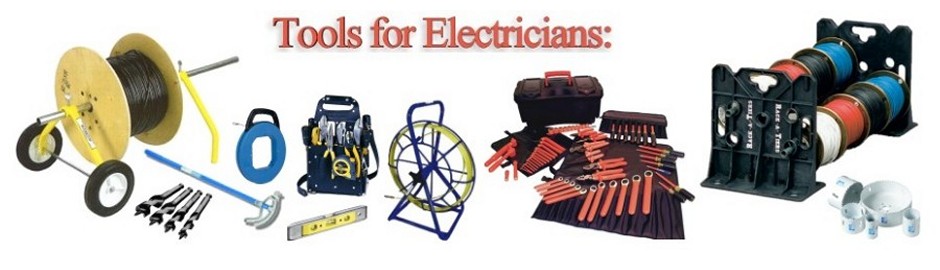
Tools for Electricians:

Tools for Electricians, Installers & Maintenance Technicians

#75645 03/08/07 12:02 AM
Joined: Jun 2005
Posts: 821
S
Member
Quote
(When I was in the service - electricians were the only personel allowed to put thier hand in a pocket. But the other one had to be in a panel)

LOL!

I'd like to get one of those circuit tracers but they can be pretty expensive. I prefer not to buy junk that I'll have to replace before long. The good circuit tracers I've seen are well over $500.00. Something that expensive I believe the employer should supply.

#75646 03/08/07 12:26 AM
Joined: Nov 2005
Posts: 826
Likes: 1
J
Member
I always make sure that the folks in the room with me know my intentions. I always say ,"TRIP" or "CLOSING" before I open or close. anything. I always stand off to the side, locate, grasp, look away, and make sure those with me are safe before I act. Then I often go on walk-about to make sure I didn't get any unexpected results. I often have to consider retransfer times between Normal and Reliable services and light fixture re-strike times.
Joe

#75647 03/09/07 08:54 PM
Joined: Jul 2006
Posts: 272
L
Member
When testing for voltage, be sure that you have an adequate ground, or neutral. Paint, loose locknuts, wire-nuts can make for a decieving reading.


Luke Clarke
Electrical Planner for TVA.

Page 2 of 2 1 2

Link Copied to Clipboard
Powered by UBB.threads™ PHP Forum Software 7.7.5