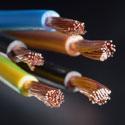
I would say that it's safe to assume that the use of aluminum wire is what led to the controversy over stabbed connections. No doubt, AL wiring used in this environment was a total horror show. THIS, not the use of aluminum wire brought about it's demise in branch circuit wiring. Think of the thousands of dollars that could be saved these days if aluminum wire at #12 could be safely-used. I believe that the technology exists, but the immage of AL wiring failures can't ever be lived down. After this fiasco, I don't know how the aluminum wiring manufacturers even stayed in business, yet it wasn't really their product that caused the failure. It was the improper installations.
Then, there were the cheap GE receptacles that offered four stab holes per pole PLUS two screw terminals. These were the ones that were made in Mexico before Mexico was popular back in the early 80's. Poor design in those devices and excessive room for error drove us crazy. For some reason, they always ended up being the receptacle behind the refrigerator that split out in four directions. Of course, the screw terminal wasn't used for the feed into the device.
With today's devices, I think that if a wire is stripped properly, the wire end is STRAIGHT, and the wiring isn't flexed too much while the device is being pushed into the box, they can work successfully. It's when the wires aren't formed proplerly to create an "S" as the device is pushed back that cause problems.
Still, there's too much room for error. The use of these devices requires the installers to be too careful. That's not going to happen in production building.
I'll stick with screw terminals on residential grade devices. If my price is too high, then I shouldn't get the job.
Oh and as for pressure plates on spec grade devices, they can be messed up just as easily. If the gap is opened up too much, as in backing the screw out too far, the grooves in the plates for each wire hole might not line-up properly as the wire(s) are pinched, meaning that they are actually being diagonally nicked as the screw and plate is tightened.
Speed is great, but there is a price to pay when moving too quickly. Personally, I think the popular use of power screwdrivers has taken away the "feel" that's needed to use a pressure plate or basic screw device.
I think that side-screw holes are a pretty good idea in the right direction, possibly the best idea yet that I have seen. Stick the straight wire in the hole next to the screw, wrap the wire around and tighten. The hole places the wire where it can only be looped in the proper direction, and who cares if the end gets over-bent when the screw is tightened? The meat of the wire ends up properly located, properly-aligned, in the proper wrap direction and hopefully tightened.
There's still room for error with any wiring device. It's all about common sense, which is something lacking these days.